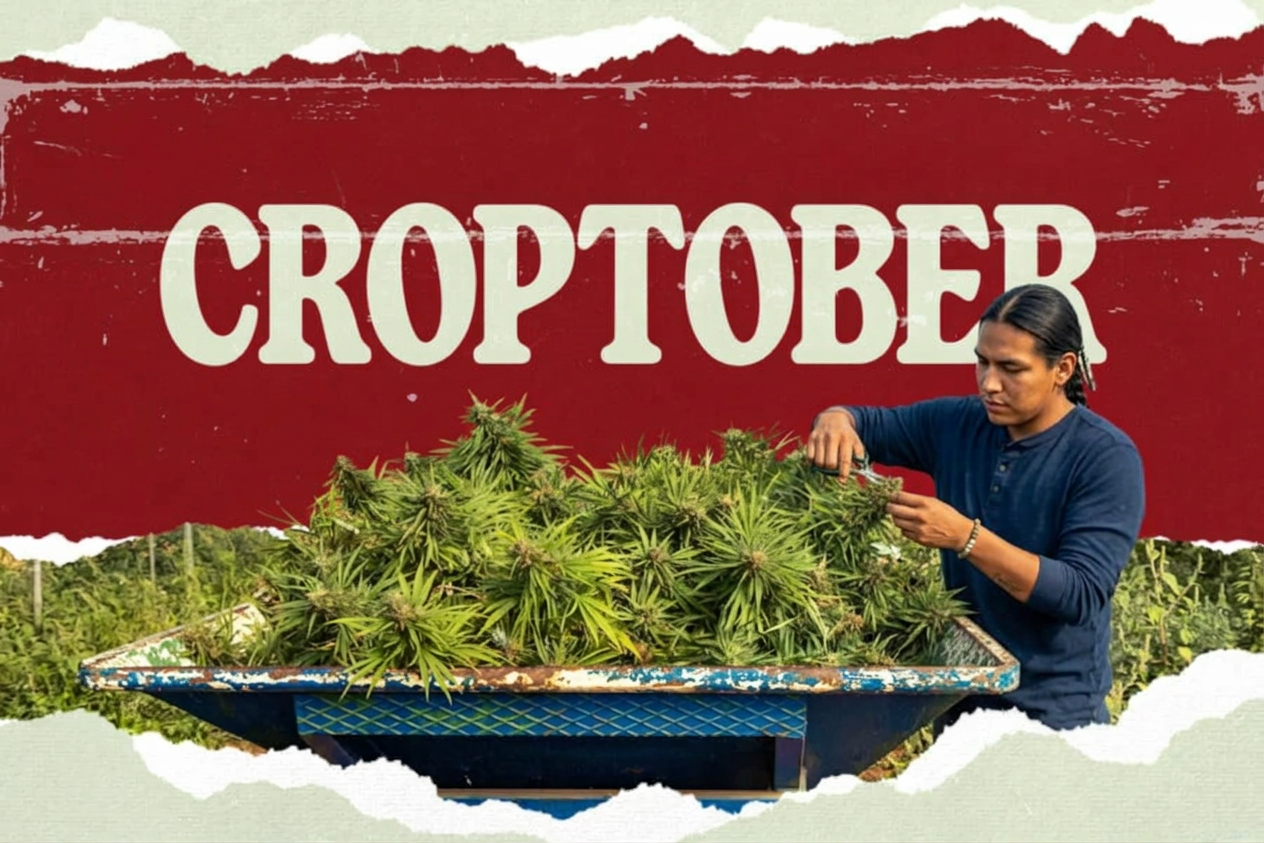
October already has a solid résumé. Changing leaves. Pumpkins. Questionable quantities of candy corn. For cannabis culture, though, the month comes with its own nickname and a very specific job description: Croptober.
Croptober is the industry’s affectionate (and accurate) name for the peak outdoor cannabis harvest window. It’s a straightforward mashup of “crop” + “October,” and it stuck because it describes exactly what happens when the days get shorter and months of careful growing finally pay off.
Why October?
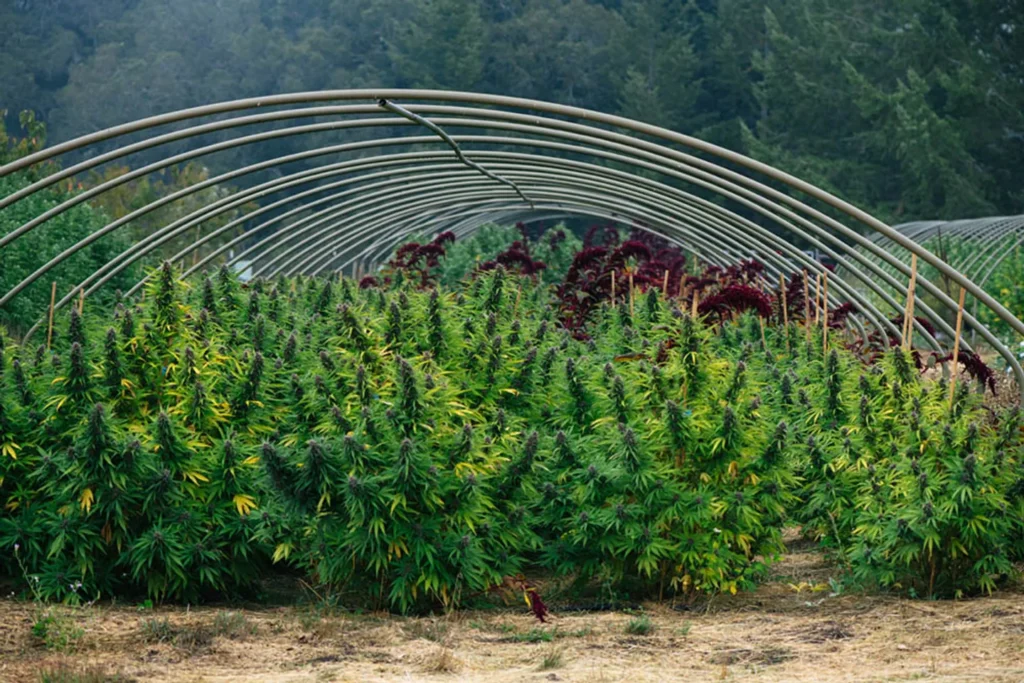
Outdoor cannabis follows the sun. During the long days of spring and early summer, plants focus on vegetative growth—building strong stalks and lush fan leaves. As summer winds down and nights lengthen, the change in light cycle signals the plants to shift into flowering.
For many full-season outdoor cultivars in the Northern Hemisphere, that flowering period finishes up in late September through October (sometimes stretching into early November depending on latitude and strain). Growers race to let the plants mature as fully as possible—watching trichomes turn cloudy and pistils darken—while beating the first hard frost, heavy rains, or mold that can ruin months of work.
It’s less of a single day and more of a focused harvest season. In classic outdoor regions (especially Northern California’s Emerald Triangle), Croptober became a cultural fixture long before legalization. The name emerged organically from the people who lived it: the trimmers, the farmers, and the crews working all-hands-on-deck to bring the year’s sun-grown crop down.
What Happens During Croptober?
Fields that spent the summer soaking up light suddenly fill with activity. Plants get chopped, hung to dry, then carefully cured. It’s part agricultural peak season, part high-stakes ritual. The aroma of ripe flower is unmistakable, and the energy is a mix of celebration and focus—because this window shapes supply, quality, and what ends up on dispensary shelves in the weeks and months ahead.
Not every cannabis plant in the country is harvested in October. Indoor and controlled-environment operations (like high-quality year-round grows) run continuous cycles. But Croptober remains the symbolic and practical heart of outdoor sun-grown cannabis. It’s when the traditional full-season crop reaches its peak potential in trichomes, terpenes, and expression.
After harvest comes the equally important work of drying and curing (often several weeks). That’s why the freshest Croptober flower typically starts landing on shelves later in the fall and into winter.
Why It Matters to Consumers
Croptober is the source of a big wave of outdoor and sun-grown flower. For people who love full-spectrum terpenes, unique expressions, and the character that comes from plants that spent their lives under real sunlight, this is the season that delivers a lot of that character. It’s also a reminder that cannabis, like other crops, still has a natural rhythm—even as the industry has grown more sophisticated and year-round.
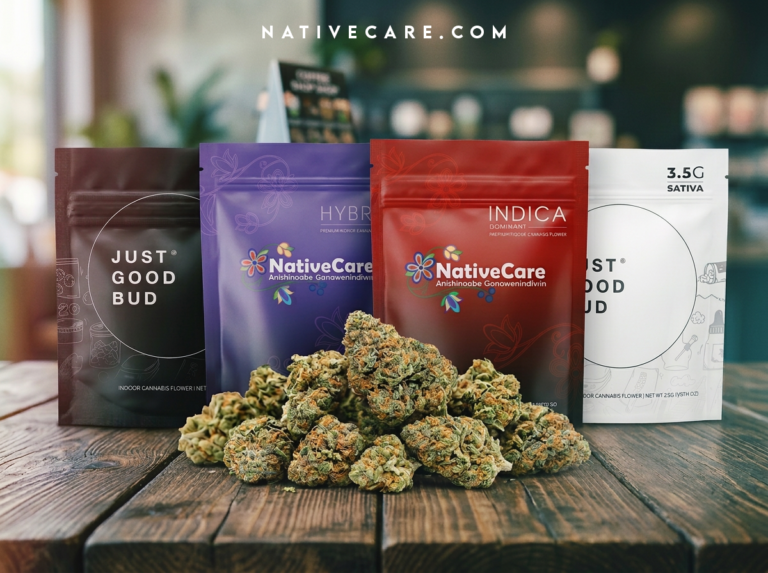
At NativeCare, we celebrate that harvest spirit while staying focused on what we do best: consistent, high-quality flower grown and finished with care on Red Lake Nation land. Our team runs rigorous cultivation with weekly harvests, full-flower pre-rolls (never trim or shake), and products built for flavor, consistency, and experience. Whether it’s peak outdoor season or any other time of year, the standard stays the same—premium flower, carefully cured, and ready for our customers.
Croptober, in One Sentence
It’s the cannabis world’s way of saying: the days are shorter, the plants are ready, and the year’s outdoor work is coming off the field.
So while the rest of the world is carving pumpkins, cannabis culture is watching trichomes, hanging harvest, and getting ready for the next chapter of the season. Happy Croptober.