Growing cannabis is part science, part patience, and part “wait, did I just fall in love with a plant?” Whether you start from a seed or a clone, under LEDs or good old sunshine, the path from tiny start to cured jar is the same basic story: give the plant what it wants, don’t overthink it, and stay consistent.
Here’s the short, useful version.
Seed or clone?
Seeds are the full origin story. A photoperiod seed needs a change in light schedule to flower. An autoflower seed flowers on its own clock, usually after a few weeks, regardless of light hours. Germinate seeds in a damp paper towel, starter plug, or lightly moist soil until the taproot pops (often 1–4 days). Then plant taproot-down, keep warm and humid, and wait for the first true leaves.
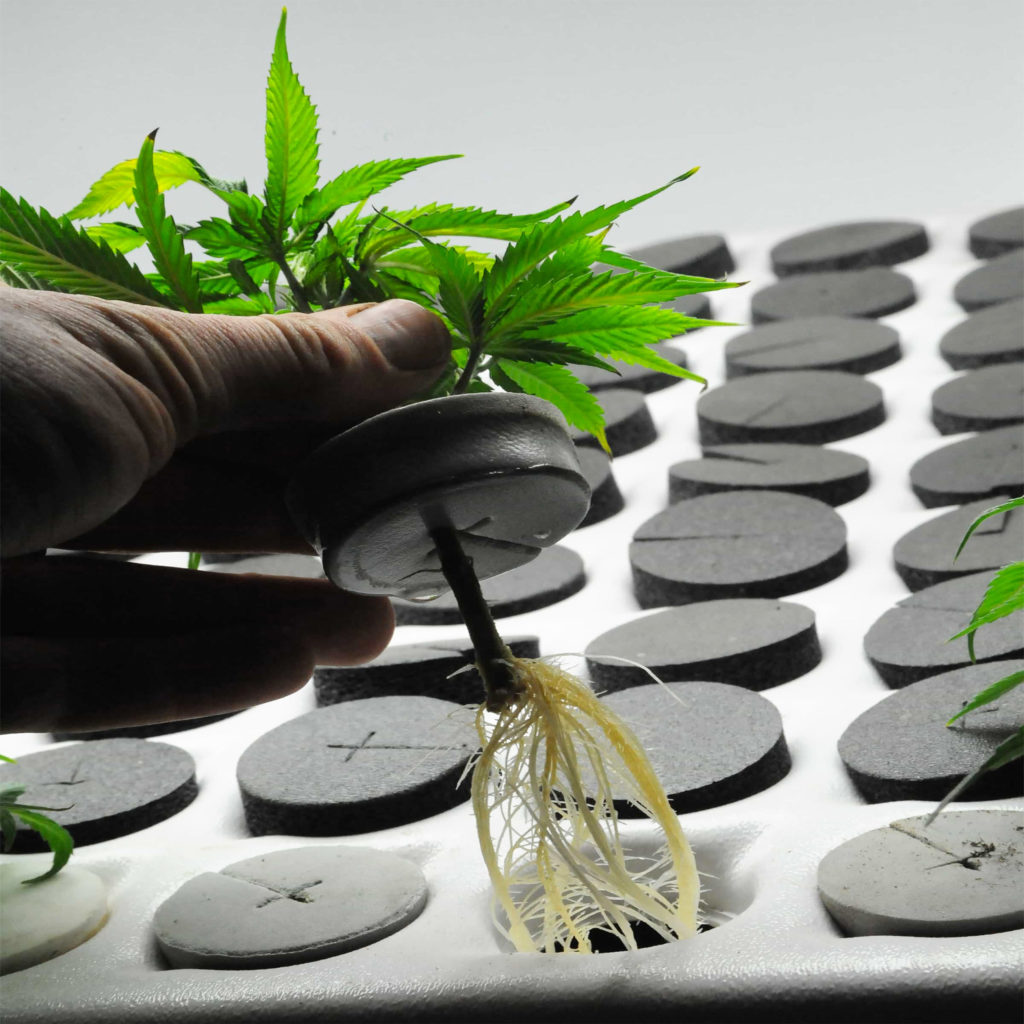
Clones skip the lottery. They’re cuttings from a known mother plant, so you already know the genetics, stretch, and flavor. Stick them in a clone cube or rockwool with a humidity dome, keep them under mild light, and they usually root in 7–14 days. Clones start in veg immediately. No surprise sexes if you took them from a proven female.
Both work. Seeds give you more genetic variety and often stronger root systems. Clones give you speed and predictability.
Light: LEDs or sunshine?
Indoor LEDs let you control everything. Full-spectrum white LEDs (or quality grow-specific bars) are efficient, run cooler than old HPS, and can hang closer to the canopy. In veg, 18 hours on / 6 off is the classic schedule. In flower, switch to 12/12. Keep lights the right distance so leaves don’t taco or bleach. Good airflow matters as much as the light itself.
Sunshine is free and full-spectrum. Outdoor plants can get huge if the season, latitude, and weather cooperate. Start seeds or clones after the last frost risk, give them as much direct sun as possible (6+ hours is the floor; more is better), and protect them from wind, pests, and late-season rain. Photoperiod plants flower as days shorten in late summer. Autos finish on their own schedule, which is handy if your season is short.
Indoor = control. Outdoor = scale and terpenes that only the sun seems to pull out. Plenty of people do both.
Vegetative stage
This is the “get big and bushy” chapter.
- Keep light hours long (18/6 indoors).
- Water when the top of the medium is dry, not on a rigid calendar. Overwatering kills more beginners than underwatering.
- Feed lightly at first. A balanced veg nutrient (higher nitrogen) is enough. Watch the leaves: pale = hungry, burnt tips = too much.
- Train if you want. Topping, low-stress training (LST), or a simple scrog net spreads the canopy so more bud sites get light.
- Temperature around 70–80°F and decent humidity (50–70% early on) keep plants happy.
Veg length is your choice. Short veg = smaller plants and faster harvest. Longer veg = more yield if you have the space.
Flowering stage
Flip the lights to 12/12 (or let nature do it outdoors) and the plant switches jobs: less stretching, more stacking flowers.
- Drop nitrogen a bit and increase phosphorus and potassium (bloom nutrients).
- Humidity should come down as buds get dense (40–50% later in flower helps prevent mold).
- Watch for stretch in the first 2–3 weeks of flower, then the real bud building begins.
- Support heavy branches if needed. A tomato cage or yo-yos beat a snapped cola.
- Most photoperiod strains want 8–10 weeks of flower. Autos are often done in 10–12 weeks from sprout. Trichomes tell the real story: cloudy for peak potency, some amber for a heavier effect.
Don’t harvest just because the calendar says so. Look at the trichomes with a loupe.
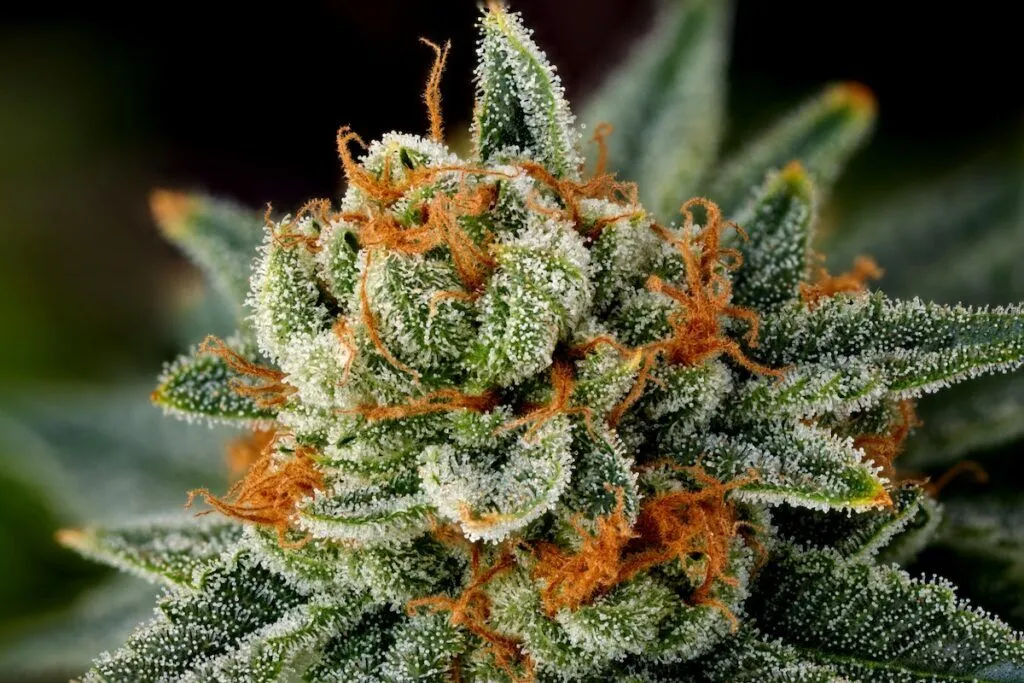
Harvest, trim, and cure
This is where good weed becomes great weed—or gets ruined.
Harvest when trichomes are mostly cloudy with a few amber, pistils have mostly darkened and receded, and the plant smells loud. Cut whole plants or big branches.
Trim wet (right after harvest, easier to see structure) or dry (after a few days of hanging, less sticky, more control). Remove big fan leaves first. Then tidy the sugar leaves. Save the trim if you make edibles or hash.
Dry in the dark, 60°F and ~60% humidity if you can, with gentle airflow that doesn’t blow directly on the flowers. Branches should snap, not bend, after 7–14 days depending on density and climate.
Cure is the quiet magic. Jar the buds (glass, not quite full), burp daily at first to release moisture, then less often. Aim for 58–62% RH inside the jar. Two weeks is the minimum. Four weeks is noticeably better. A couple of months can turn “pretty good” into “why does this taste like a dessert?”
That’s the whole loop: start, veg, flower, dry, trim, cure. The plant does most of the work if you give it light, air, water, food, and time.
Start small. One plant teaches you more than ten YouTube videos. Keep notes. The second run is almost always better than the first.
Now go make something sticky.