How to Roll a Blunt
And where the blunt actually comes from.
A NativeCare guide to the wrap, the ritual, and a culture that traveled from Caribbean tobacco fields to New York street corners before it ever reached a dispensary counter.
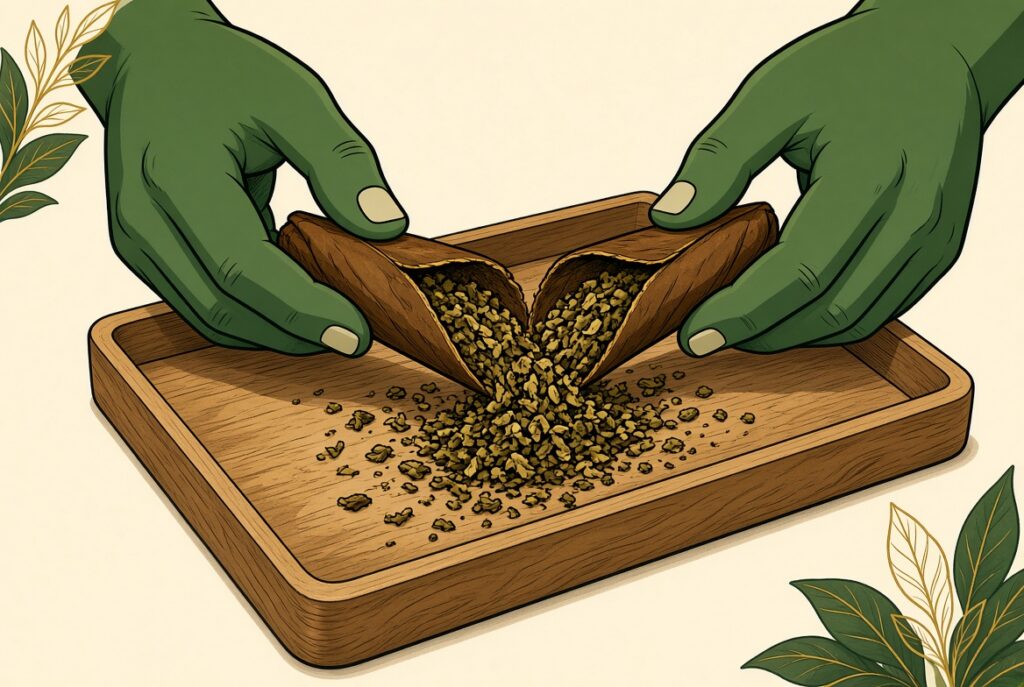
What a blunt is
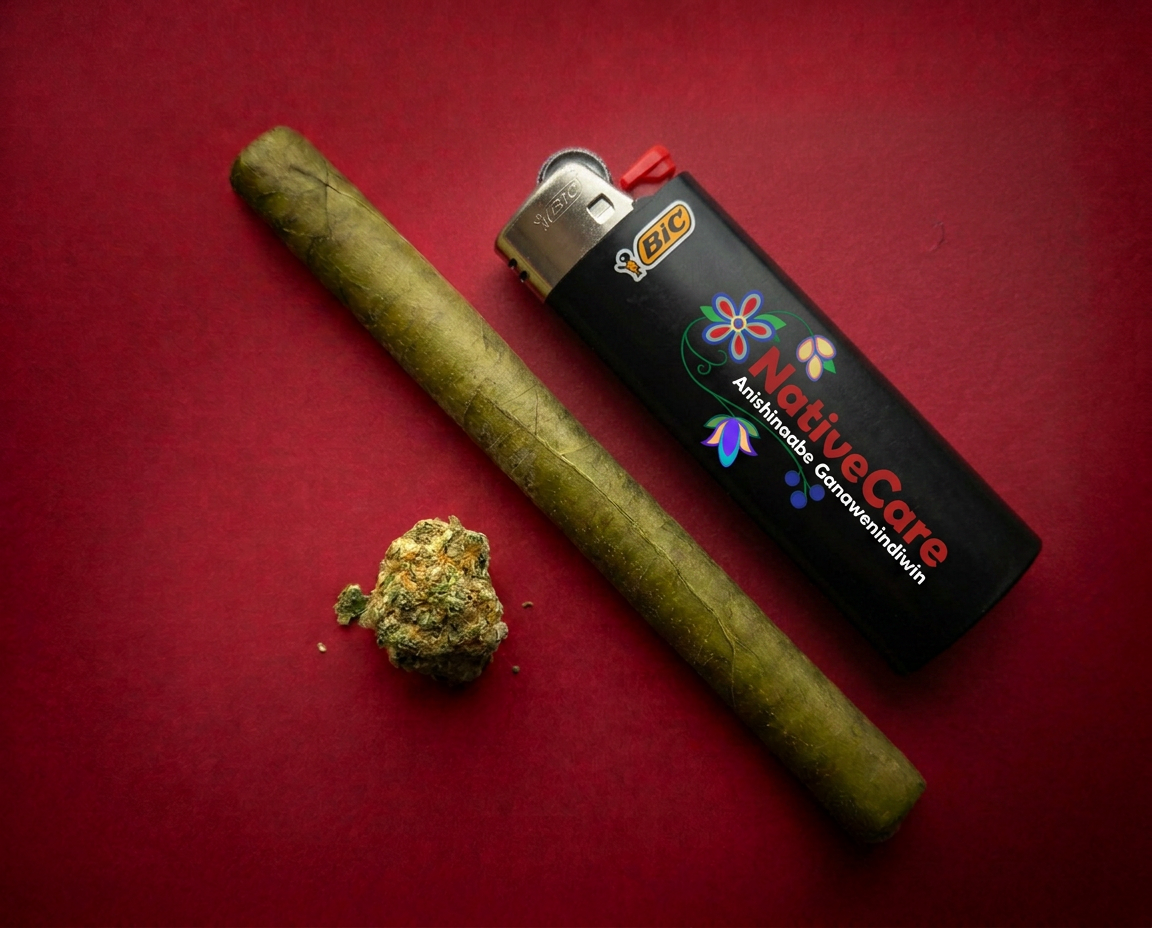
A blunt is cannabis rolled in a leaf wrap — traditionally the outer wrapper of an inexpensive cigar — instead of thin glued rolling paper. That single difference changes the session. The wrap burns slower. It holds more flower. It can add tobacco flavor and nicotine if you use a cigar leaf, or stay plant-forward if you use hemp or palm.
A joint is paper. A blunt is leaf. The names people still use — Dutchie, woods, Swisher, L — are leftover brand names from the cigars that got emptied and refilled.
Origins: a name from Philadelphia, a practice from the islands
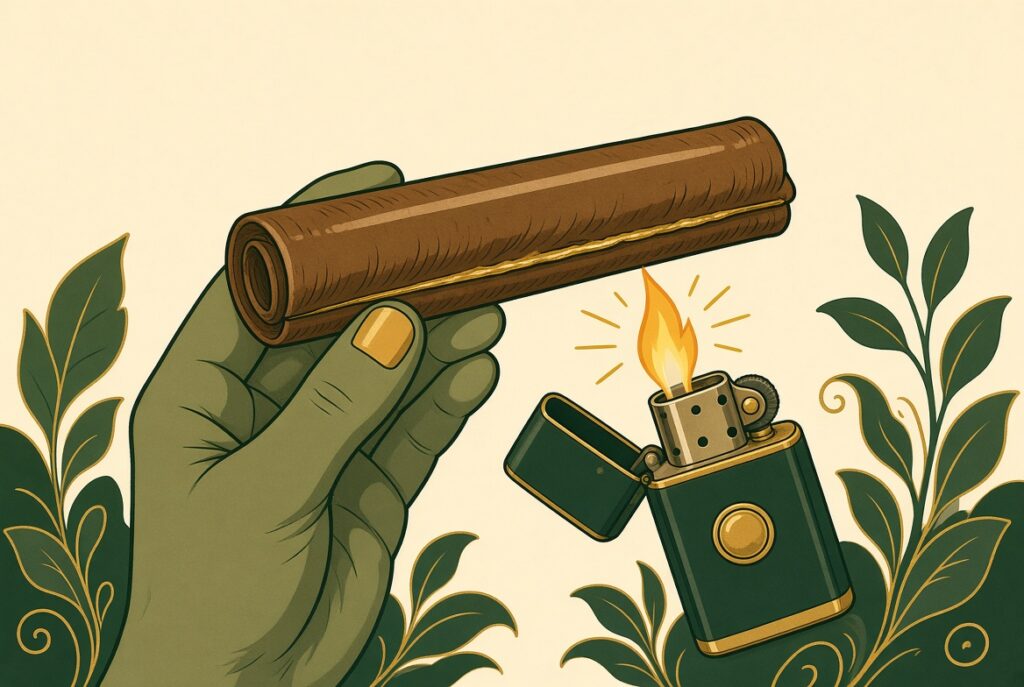
Caribbean roots
The modern American blunt does not have one inventor. It has a lineage.
In the nineteenth century, indentured workers from South Asia brought cannabis — ganja — to Jamaica and other Caribbean islands. Papers were not always on hand. Tobacco was. People rolled cannabis in tobacco leaf, sometimes mixed the two, and built a durable, slow-burning format that was easy to pass. The leaf masked aroma, held more material than thin paper, and fit a culture already fluent in both plants.
That is the seed of the idea: cannabis inside a tobacco wrapper because the wrapper was local, strong, and already in people’s hands.
New York, the 1980s, and a cigar called Blunt
Caribbean immigrants — Jamaican, Puerto Rican, Dominican, and others — carried that practice into American cities in the late twentieth century. New York, Philadelphia, and Baltimore were the main stages.
The product that gave the format its American name was sitting in corner stores: the Phillies Blunt, a cheap machine-made cigar from a Philadelphia company that had been making cigars since the early 1900s. “Blunt” originally described a cigar with a broad, rounded tip. People split those cigars down the seam, dumped the tobacco filler, and packed the wrapper with cannabis.
The brand name stuck to the practice. Other cheap cigars joined the rotation — Dutch Masters (“Dutchies”), Backwoods (“woods”), El Producto (“L”), Swisher Sweets, White Owl. By the early 1990s the blunt was already in hip-hop verses and on film. The 1995 movie Kids walks through rolling a Philly. In 1993, at the Poetic Justice wrap party, Tupac passed Snoop a blunt; Snoop later told the story as his first.
Demand was so obvious that cigar companies noticed. Phillies Blunt unit sales jumped from roughly 12 million a year in the late 1980s to more than 500 million by the mid-1990s, according to later industry filings. When dedicated blunt wraps hit the market, sales of the original cigars fell. The wrap had become its own product.
What changed
Two things arrived after the street years. Flavored wraps made the format louder and sweeter. Tobacco-free hemp, banana, and palm wraps let people keep the size and the slow burn without nicotine. That second shift matters for a brand like NativeCare. The flower should be the point. The wrap should serve it.
How to roll one
Rolling a blunt is slower than rolling a joint. The wrap is thicker. It wants moisture. It punishes haste. Give it ten quiet minutes.
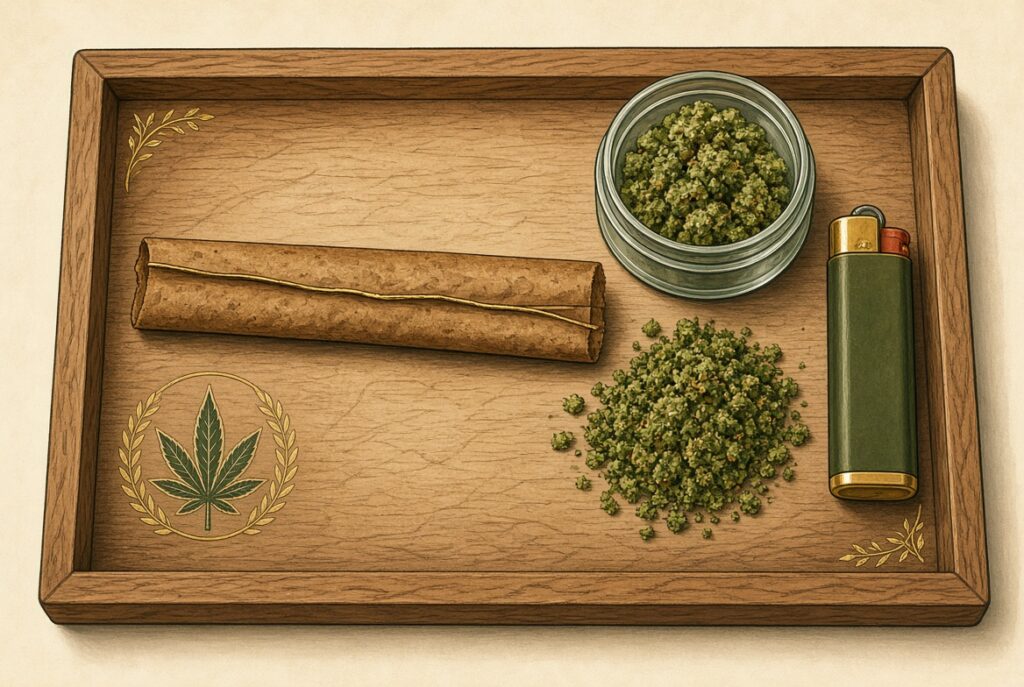
What you need
- A wrap. Hemp or palm if you want a clean flower-forward smoke. A cigarillo wrapper if you want the classic tobacco mix.
- Flower. 1 to 2 grams of well-cured cannabis. Fresh NativeCare flower packs and burns more evenly than dry, stemmy material.
- A grinder. Medium grind. Not dust. Not chunks.
- A tray, a lighter, and patience. A razor or thumbnail helps if you are splitting a cigarillo.
The steps
- Grind. Break the flower down to a medium consistency and pull every stem. Over-fine grind packs too tight and kills airflow. Over-coarse grind burns in patches and canoes.
- Open the wrap. If you are using a ready wrap, unroll it. If you are using a cigarillo, find the seam and split it lengthwise with a thumbnail or a careful blade. Empty all the tobacco filler. A leftover flake of cigar tobacco will change the taste whether you want it to or not.
- Moisten. Dry leaf cracks. Soaked leaf collapses. Run a damp finger or a short lick along the inside until the wrap feels pliable, not wet. If you plan to share, water beats saliva.
- Fill. Form the wrap into a trough. Lay an even line of flower from end to end, leaving a little bare wrap at each tip. A slight belly in the middle is fine. Thin spots are not. Those are the places that run.
- Shape, then tuck. Before you seal anything, roll the loaded wrap back and forth between thumbs and fingers until the flower is a cylinder. Then tuck the near edge under the flower and start the roll from one end. Work down the length. Keep tension even — tight enough to hold shape, loose enough to draw.
- Seal. Moisten the far edge and press it down. Hold for a second as you go. Then pass a lighter just above the seam — warm, do not scorch — so the seal sets and leftover damp dries out.
- Light. Toast the tip while you rotate the blunt. Take a few starter puffs so the cherry sits even. If one side runs, wet a fingertip and touch the fast side, or rotate that side down.
Mistakes worth avoiding
- Overfilling. Ambition is how wraps tear and how air stops moving.
- A bone-dry wrap. It will split the moment you tuck.
- Uneven fill. That is canoeing with extra steps.
- Scorching the seam. You want warm glue, not roasted leaf.
- Forgetting the law and the dose. A blunt holds more than a joint. Start with less flower than you think. 21+ only. Do not drive.
A NativeCare way to think about it
The blunt survived because it is generous. It is built to be passed. It is built to last a conversation. That is worth keeping.
What is worth updating is the wrap. If you want the old mixed burn, a tobacco leaf still does that job. If you want the cultivar — the terpene, the cure, the work that went into the flower — use hemp or palm. Let the plant talk.
Either way, grind even, tuck slow, and seal once. The first few will look like they were rolled in a windstorm. That is how everyone starts.
Roll slow. Share well.
NativeCare · Flower grown with care · nativecare.com
This article is for adults 21 and over in places where cannabis is legal. It is educational, not medical advice. Follow local law.