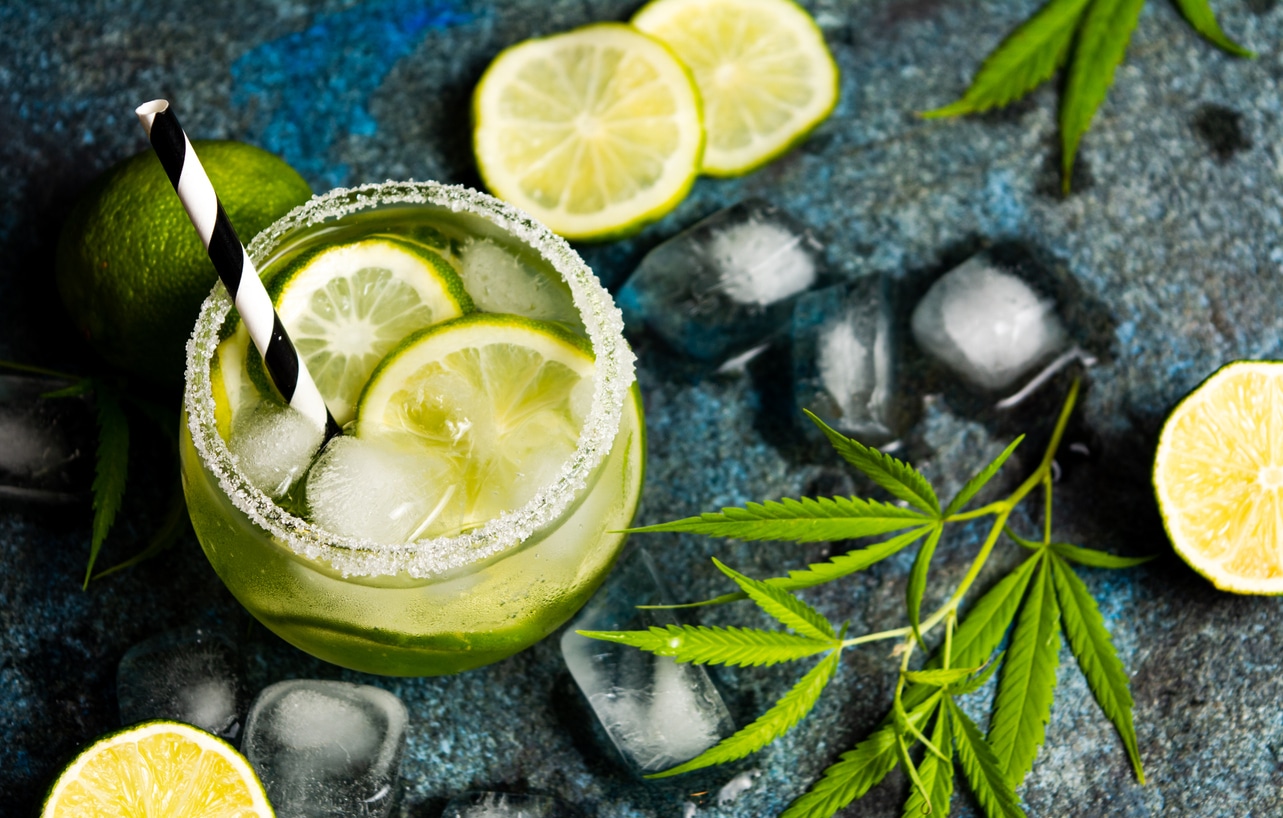
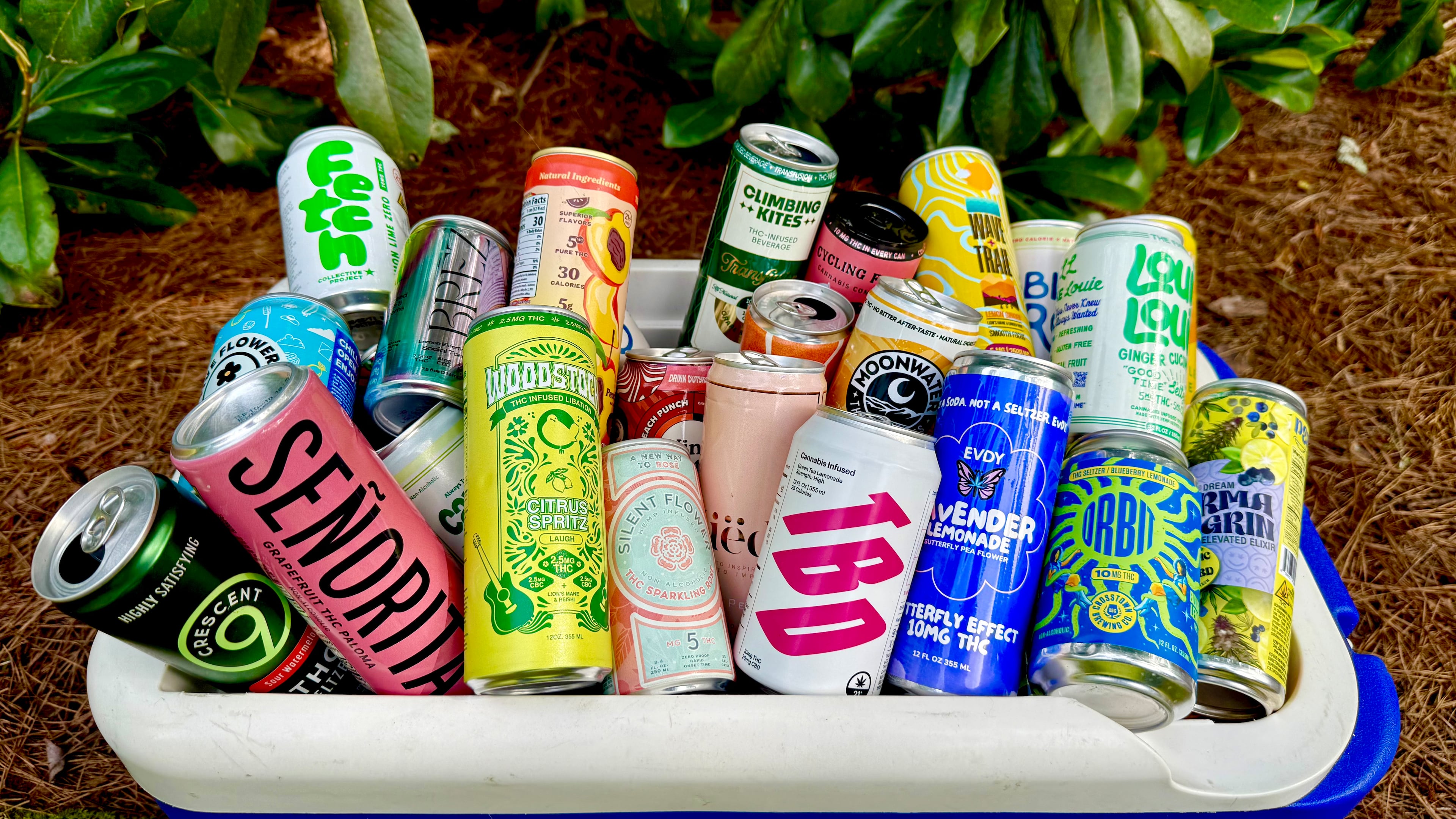
A major real-world study just dropped some of the clearest evidence yet that low-dose THC beverages are changing how people drink.
MoreBetter, a Philadelphia research firm that has run observational consumer studies since 2016, tracked 4,516 people across 36 products from 23 brands. Participants logged daily behavior for three weeks: seven days of baseline, then 14 days using a THC beverage (1–10 mg THC per serving). Each person served as their own control.
The standout finding has almost nothing to do with sleep, mood, or productivity. It’s alcohol.
On ordinary days before the study, the modeled probability that a participant would drink alcohol was 22.9%. On days they had a THC beverage, it dropped to 10.9%. That reduction held statistically significant for 23 of the 36 products, and every single significant result moved in the same direction. No product showed a meaningful increase in alcohol use.
What people actually said
When the study ended, participants filled out an exit survey:
- 65% reported consuming less alcohol while using the products
- 56% said they would use the THC beverage as a regular replacement for alcohol
- 87% believed the drinks were safer for their health than alcohol
- 75% believed they were socially safer
A follow-up survey 50 days later (after the free product was long gone) still showed staying power. Among people who drank alcohol before the study, 63% said they were still drinking less. Only 2.4% said they were drinking more.
The experience itself
Across every product, the effects were remarkably consistent in one respect: duration. Effects lasted between 2.0 and 2.9 hours, with almost no variation. Onset averaged about 27 minutes.
How “high” people felt varied wildly by dose and product (from roughly 19% of use days to 81%). Hangover-like effects were reported on only about 4% of use days. Participants also logged roughly 36 extra minutes of productive time on product days compared with their own baseline.

Important caveats
This is observational research, not a clinical trial. There was no placebo group and no separate alcohol-only comparison arm. Everything is self-reported. The study does not prove the beverages caused the drop in drinking, and it does not prove they are safer than alcohol — only that people perceive them that way and that their logged behavior changed.
MoreBetter primarily funded the work itself, with partial support from the brands whose products were tested. The company states those brands had no influence over the protocol, analysis, or published findings. The full dataset is freely available on their Real-World Data Exchange platform.
The regulatory cliff
Here’s the part that should make every brand and consumer pay attention.
Section 781 of Public Law 119-37 caps finished hemp products at 0.4 milligrams of total THC per container — not per serving. The products in this study ranged from 1 to 10 mg per serving. None of them would survive the new limit. The weakest product still carries more than twice the legal maximum for an entire can or bottle.
The restriction is currently scheduled to take effect November 12, 2026 (with possible short-term delays still in play in Congress). Some companies are already reformulating. Others are betting the rules will change.
What it means
For the first time we have large-scale, day-by-day behavioral data showing that when people have a THC beverage in hand, they reach for alcohol far less often — and many keep that pattern weeks after the free product runs out.
Whether that substitution survives stricter federal rules is the next question the industry (and consumers) will have to answer.
The data is free and public. The products, for now, still exist. The clock is ticking.